Hearing loss, either partial or total, and affecting one or both ears, can affect people of any age, including babies and seniors. Possible causes are age, health problems, personal injury, or constant long-term exposure to loud sounds. Some people develop a sudden hearing loss, sometimes associated with ringing in the ears or confusion. For others, it gets apparent with time, as people have trouble keeping up with conversations or turning up the volume on their TVs. This article talks about the usual warning signals indicating hearing loss.
Types of Hearing Loss
People suffer from hearing loss in various ways because the source and part of the ear affected are very important to its nature. The most common form of presbycusis, which may take years to develop, deteriorates slowly as people age. Up to half of those aged 75 and over in the U.S. report some level of it.
There are basically three major types of hearing loss:
- Conductive hearing problems are caused by problems in the outer or middle ear structures.
- Sensorineural, with inner ear damage.
- Mixed, a combination of both
Your hearing can be impaired by regular exposure to high-volume sounds, time, and accumulation of earwax. The majority of cases of hearing loss are incurable, but many people can improve their hearing when they buy hearing aids online from a hearing care professional. The earlier hearing loss is identified, and the type and severity of hearing loss are determined, the more likely one is to select the most effective treatment and obtain better long-term results.
Signs of Hearing Loss
Difficulty Understanding Speech
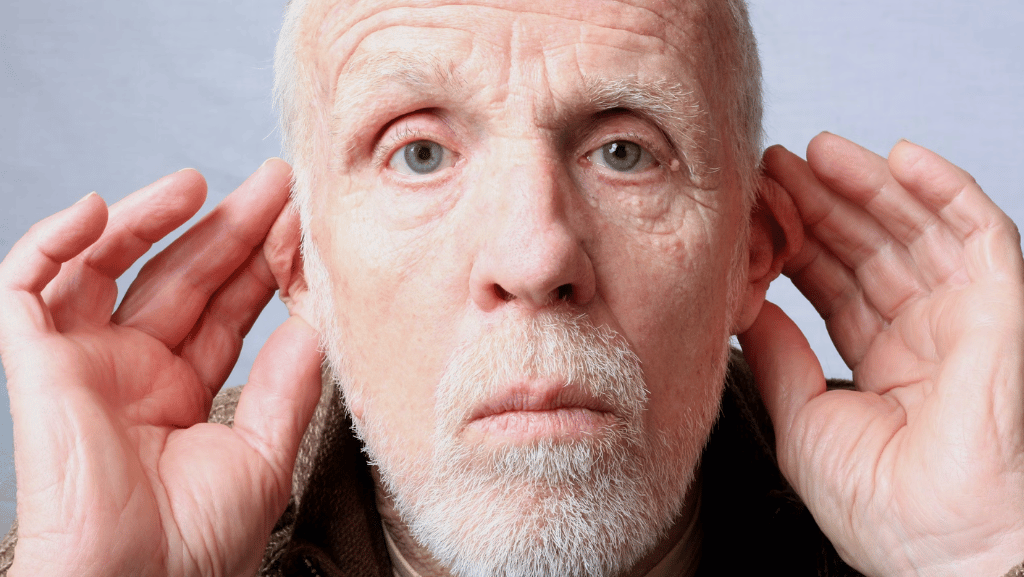
The first sign of hearing loss is being unable to follow people in background noise. You may find it hard to follow what others are saying, and might ask them to speak up again and again. Decreased sensitivity to high-frequency sounds important for clear speech, is usually the underlying cause.
Frequently Turning Up the Volume
The need to crank up the volume on electronic equipment such as TV, radio, or phone is often a sign that your hearing is failing. Hearing loss can make familiar sounds softer, and people will turn up the volume in order to hear better.
Muffled or Distorted Sounds
Because of hearing loss, what you hear is often muffled, hazy, or hard to understand. It may be difficult to distinguish individual words owing to a loss of speech clarity. Such problems occur when the ear fails to process some sounds properly, thus making what you listen to less clear.
Avoidance of Social Situations
Managing hearing loss can make it hard and exhausting to attend social gatherings. For people who are hearing impaired, it is quite simple to begin avoiding these events; the effort to keep up in conversations can be discouraging and isolating. Consequently, further evasions can lead to a feeling of loneliness.
Seeing the symptoms of hearing loss at an early stage can bring massive improvements in your everyday life. Be careful if you notice yourself losing conversations, having to keep your volume up, or tending to avoid gatherings. People tend to underestimate just how widespread hearing loss is, and that it can affect people of all ages. Fortunately for you, early diagnosis combined with the use of such technologies as hearing aids or other devices can increase daily clarity, self-assurance, and social connections.