Excavators have long been the backbone of construction, demolition, and mining operations. Their versatility allows for the completion of a variety of tasks, but the introduction of specialized attachments is revolutionizing how they operate. These attachments enhance the capabilities of standard excavators, enabling them to perform tasks that were previously unimaginable. With the right attachment, an excavator can transition from digging trenches to compacting soil or even other specialized functions, all leading to improved productivity and efficiency on job sites.
Understanding Specialized Attachments
Attachments are tools or accessories that can be fitted onto heavy machinery, greatly expanding their functional repertoire. In the case of excavators, various attachments exist, from buckets to grapples, breaking hammers, and even tilt rotators. Each attachment is designed with specific tasks in mind, allowing operators to quickly change tools depending on the demands of the job. This flexibility means an excavator can adapt effectively in real-time, providing immense value to contractors under tight timelines and budgets.
The Role of Innovation in Attachment Design
Recent advancements in engineering and technology continue to enhance the design and functionality of excavator attachments. Hydraulic technology allows for more precise and powerful movements, leading to increased efficiency during operations. Innovations like quick couplers facilitate the swift attachment of different tools, which minimizes downtime between tasks. Thanks to ongoing advancements in materials science, manufacturers can create lighter and more durable attachments, which contribute to better fuel efficiency when paired with excavators.
Benefits of Specialized Attachments
Implementing specialized attachments can result in significant improvements across multiple facets of construction work. One of the primary benefits is increased productivity. By allowing a single machine to perform various tasks, contractors save time and reduce the number of machines needed on site. This decreases labor costs. Specialized attachments often lead to better outcomes by enabling more accurate and delicate operations, which is particularly crucial in urban settings where space is limited.
Challenges in Adoption
Despite the numerous advantages, adopting specialized attachments is not without its challenges. The initial cost can be a deterrent for many operators, particularly small contractors who may not have significant capital to invest. Training workers to effectively utilize new attachments requires extra time and resources. Businesses that successfully navigate these hurdles often find themselves benefiting from a competitive edge. A company investing in long-reach excavator kits tailored to their specific needs, as the HAWK Excavator team explains, may see a drastic improvement in performance and capabilities, aligning them towards growth and increased job opportunities. The investment can lead to stronger project outcomes and greater long-term efficiency.
Market Trends Indicating Growth
The demand for excavators equipped with specialized attachments is rising significantly. Industry analysts suggest that the market for construction attachments is projected to grow at a steady rate over the next several years, driven by factors like urbanization, infrastructure development, and the increased need for efficient machinery. The trend towards sustainability in construction is leading more businesses to consider tools that maximize the capabilities of their existing equipment. Excavators that can adapt through specialized attachments often emerge as more appealing investments for contractors aiming to build a sustainable fleet.
Real-World Impact on Job Sites
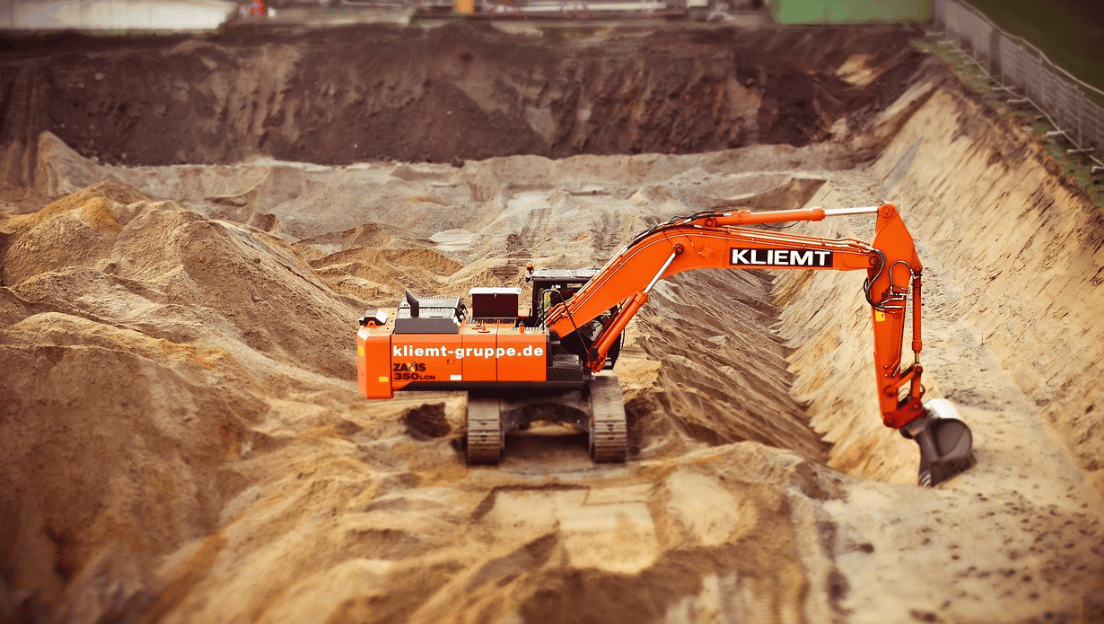
The integration of specialized attachments is reshaping how contractors approach everyday tasks. Instead of bringing in multiple machines for digging, lifting, breaking, or grading, crews can now rely on one excavator equipped with the right attachments. This streamlines project planning and allows for quicker adjustments on site, which is valuable in environments with tight deadlines or restricted access. The shift toward adaptability encourages a more strategic approach to equipment investment, as contractors weigh the long-term value of multifunctional tools over expanding their fleet.
Looking Ahead: The Future of Excavators and Attachments
As technology continues to evolve, the excavation industry will likely see even more sophisticated attachment solutions. Future designs may incorporate features such as smart technology that can analyze the tasks at hand and suggest the most efficient attachments for various operations. Developments in automation and robotics may change how excavators interact with attachments, possibly leading to operations that require less manual intervention. Such advancements promise to further streamline processes, reduce operational costs, and enhance productivity on construction sites around the globe.
Specialized attachments are changing more than just how excavators perform, they’re transforming the entire approach to construction and excavation. By expanding the range of tasks a single machine can handle, these tools help reduce overhead, improve efficiency, and create more flexible workflows. Companies that embrace these innovations are better positioned to adapt to evolving job site demands and remain competitive in the industry. As the market grows and technology advances, excavators with specialized attachments will likely become the standard, not the exception.