Drains are an integral part of any home, ensuring that wastewater efficiently flows away from our living spaces. When drain issues persist, they often signal underlying problems that can affect your home’s health. Recognizing the signs and understanding their implications is crucial for homeowners who want to maintain a safe, comfortable, and functional living environment. Persistent drain problems can lead to more severe issues if left untreated, including structural damage, pest infestations, and health hazards. By gaining insight into common drain issues and their potential causes, homeowners can take proactive steps to rectify these concerns before they escalate into more significant problems.
Common Symptoms of Drain Issues
Spotting the early warning signs of drain problems can save homeowners significant time and money. One of the most noticeable symptoms is slow drainage. If water takes longer than usual to disappear down the sink or tub, there may be a blockage somewhere in the system. Causes of slow drainage can range from hair and food particles to more complex issues like tree roots invading underground pipes.
A foul smell emanating from drains can indicate stagnant water, mold growth, or even sewage backup. Ignoring these smells could lead to health risks due to bacteria or mold exposure. Gurgling sounds when using plumbing fixtures signify that air is trapped in the pipes, which can result from a clog or venting issues, further complicating the drainage process.
Impact of Clogs on Home Systems
Clogs can be caused by various materials, such as grease, soap residue, and debris. These blockages disrupt the flow of wastewater and can cause pressure to build up in the plumbing system. Persistent pressure can lead to pipe leaks or bursts, resulting in extensive water damage and costly repairs. Even more alarming is that clogs in one area can affect other sections of your plumbing.
A blockage in a kitchen sink could lead to problems in your bathroom drains, creating a ripple effect of issues across the house. If acknowledged early, some clog-causing issues require relatively simple fixes, whereas ignoring them leads to significant headaches later.
Potential Causes of Persistent Drainage Problems
Several factors contribute to recurring drainage issues in homes. One common cause is tree roots penetrating underground pipes, which can create persistent clogs and structural damage. Roots naturally seek moisture and nutrients, and once they infiltrate the drainage system, they can expand and block pipe flow dramatically.
Another critical factor is aging plumbing systems that may have corroded. Older pipes are prone to leaks and clogs due to mineral buildup. Routine maintenance and regular inspections by professionals can help identify these issues before they become major problems. Homeowners should regularly assess their plumbing’s age and condition and take appropriate actions, such as upgrading to more durable pipe materials.
The Role of Maintenance and Inspections
Regular maintenance is essential for keeping a home’s drainage system in optimal condition. Homeowners can perform simple tasks such as flushing drains with hot water and vinegar to remove buildup, cleaning sink traps, and clearing any visible clogs as part of their routine upkeep.
Annual inspections by a professional can reveal hidden vulnerabilities that may not be noticeable during daily use. Engaging skilled experts ensures that your plumbing, including drains and vents, functions efficiently while guiding proper usage and maintenance strategies.
Taking these proactive steps preserves the system’s performance and reduces the likelihood of costly repairs in the future. For comprehensive support, you can click here or visit any reputable website for HVAC, plumbing, and electrical services. By staying proactive and informed, homeowners can ensure a safe, efficient, and long-lasting drainage system.
Why Waiting to Address Drain Issues is Risky
Delaying action on persistent drain problems can have dire consequences. Minor blockages can become major clogs, leading to water backups that result in structural damage to floors, walls, and foundations. Water damage can compromise the integrity of the home, weakening building materials and promoting mold growth. Mold damages property and poses significant health risks, leading to respiratory issues and allergies.
Pest infestations often follow water damage, as insects and rodents are naturally drawn to damp environments. The costs of addressing these compounded issues can escalate quickly, making early intervention fiscally prudent and necessary.
Preventative Measures to Avoid Future Drain Problems
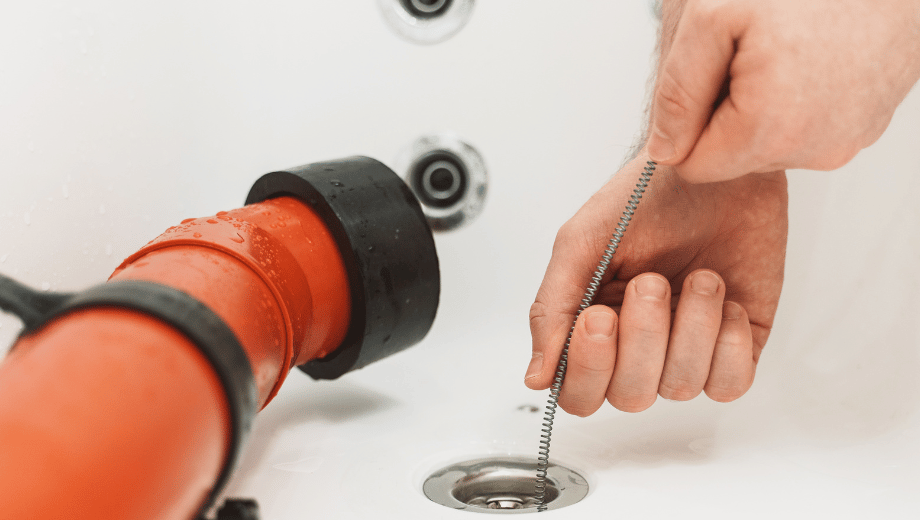
Taking proactive measures can significantly reduce the risk of future drain issues. Homeowners should be mindful of what goes down the drain, avoiding disposal of grease, oils, and other clog-prone items. Installing strainers in sinks, tubs, and showers can catch hair and larger debris, preventing them from entering the plumbing system.
Educating all household members about proper drain usage is crucial to creating a culture of care around plumbing. Engaging in seasonal maintenance checks helps identify and rectify small concerns before they evolve into more significant problems, ensuring your drainage systems function efficiently year-round. While persistent drain issues may seem like simple inconveniences at first, they can indicate more significant problems within your home. Recognizing the signs early and addressing them promptly can save you from costly repairs and numerous frustrations.
By committing to regular maintenance and employing the right professionals, homeowners can protect their properties and ensure that their drainage systems remain in optimal condition. By staying vigilant and informed, you can make the most of your home’s drainage system, ensuring it serves you well for years to come.