Roof leaks are more than just a structural nuisance—they often serve as a gateway for mold to thrive in hidden corners of a home. When left unaddressed, a seemingly minor leak can become a persistent moisture source that leads to widespread indoor mold colonies. These colonies don’t just stain ceilings and weaken wood; they can introduce serious health risks for residents. The connection between roof leaks, mold development, and respiratory problems is often underestimated, but it deserves attention from homeowners who want to safeguard both their living environment and their health.
The Quiet Entry of Water Into the Home
Water from a roof leak does not always pour into the living room dramatically. In many cases, it seeps through attic insulation, trickles behind walls, or settles beneath floorboards before anyone notices. This hidden infiltration is the perfect setup for mold growth. Mold spores are naturally present in the air, but they need moisture and organic material to take hold. A leaky roof creates precisely that condition—encouraging these spores to multiply and spread in concealed areas. Because of this, some homes may harbor active mold colonies long before there are any visible signs.
How Mold Thrives on Structural Materials
Mold grows well on organic materials, and homes are full of them: drywall, plywood, insulation, and carpet padding. When these materials become damp from a roof leak, they provide a long-term food source for mold. If the leak remains unresolved for more than 48 hours, mold can begin to form. As the water continues to feed the growth, the affected area expands, causing not only damage to the material itself but also releasing spores that can contaminate the air. This is why rooms adjacent to a leaky area may develop a musty odor or experience worsening indoor air quality over time.
Why Mold Is Hard to Spot Early
Unlike a crack in a wall or a burst pipe, mold from a roof leak often develops in hard-to-reach or low-visibility areas. It may be behind walls, under insulation, or inside air ducts—places that are rarely inspected by homeowners. That invisibility gives mold a significant head start before remediation efforts begin. People may notice minor allergic symptoms or humidity issues and not associate them with a roof issue until the damage is well underway. By that point, the cost and complexity of removal are often much higher.
Health Risks Linked to Mold Exposure
Exposure to mold, particularly in enclosed environments, can lead to a range of health problems. These include nasal congestion, eye irritation, skin rashes, wheezing, and in some cases, more serious respiratory conditions. People with asthma or compromised immune systems are especially vulnerable. Children and elderly family members also tend to have stronger reactions to mold exposure. While not all mold is toxic, the presence of any active mold indoors can create problems for sensitive individuals or those with pre-existing respiratory conditions.
Choosing the Right Professionals for Mold Inspection
Once mold is suspected, it’s worth involving professionals who specialize in mold assessment and remediation. Home inspectors may not always have the training to spot hidden mold. Industrial hygienists and mold remediation technicians use tools like infrared scanners, moisture meters, and air quality tests to detect the extent of contamination. Finding qualified help can begin at this website or any other reputable website that lists certified environmental professionals in your area. A proper inspection helps determine not just the presence of mold, but its source—whether it’s an old roof leak, faulty insulation, or poor attic ventilation.
Long-Term Prevention Through Better Roofing Choices
Preventing future mold problems starts with sound roofing decisions. This includes selecting high-quality roofing materials, scheduling routine inspections, and investing in reliable flashing and ventilation systems. Even well-installed roofs can degrade over time, especially in areas that face extreme weather cycles. Keeping up with maintenance, sealing minor issues before they become larger problems, and replacing aged shingles or tiles when needed all contribute to mold prevention. These investments pay off by creating a healthier living space and avoiding the spiraling costs of mold remediation.
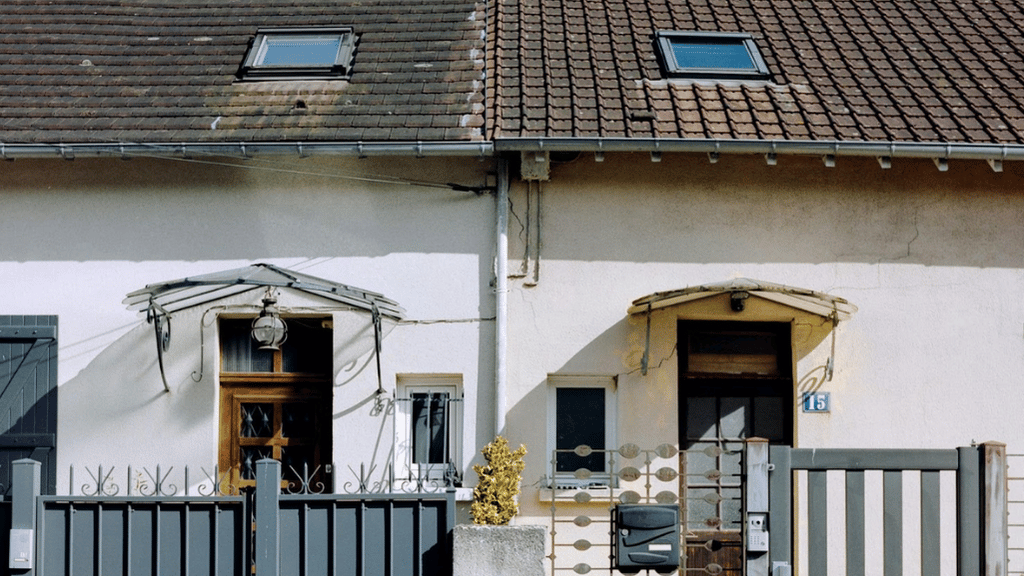
Roof leaks are more than a cosmetic issue or a maintenance hassle. They open the door to mold development, which can carry serious health implications. The longer the problem goes unnoticed, the more severe the consequences. Homeowners who address leaks quickly, stay alert to signs of mold, and maintain strong roofing practices can protect both their home’s structure and the people living inside.
Beyond structural damage, unchecked mold resulting from roof leaks can quietly compromise indoor air quality and trigger long-term health problems. Persistent exposure, even at low levels, can burden respiratory systems and affect overall well-being, especially for children, older adults, and those with preexisting conditions. These effects often develop gradually, making the link between cause and symptom harder to recognize until significant damage is already done.
Investing in preventative care—such as routine roof inspections, quick responses to weather-related damage, and attention to ventilation—creates a buffer against these hidden threats. While roofing issues may seem manageable on the surface, their hidden consequences make proactive care a smarter, safer path. A well-maintained roof doesn’t just shield your home from the elements—it also safeguards the health of everyone beneath it.