Maintaining a sustainable home lifestyle means considering each component of the house, including the roof. A roof is your shield against the elements and a major player in energy efficiency and environmental impact.
When homeowners invest in roof upkeep, they are committing to longevity and sustainability. Beyond aesthetics, a well-maintained roof can improve insulation, lower energy bills, and a reduced carbon footprint. Approach roof maintenance systematically and consider both routine inspections and long-term planning so that sustainability remains at the forefront. Read on to learn more.
Why You Need Regular Roof Inspections
Homeowners need to evaluate their roofing systems periodically to catch potential issues before they worsen. Cracks in shingles or accumulated debris can compromise the roofing structure and efficiency. A thorough inspection can prevent leaks and costly repairs that may arise from neglect.
Know the current state of the roof and communicate effectively with professional contractors who can provide expert advice and necessary services. Inspections ideally should happen at least twice a year, with more frequent checks after extreme weather events. Home maintenance is part of a sustainable lifestyle, which benefit both the environment and the homeowner’s wallet.
Choose the Right Professionals for Your Roof Maintenance
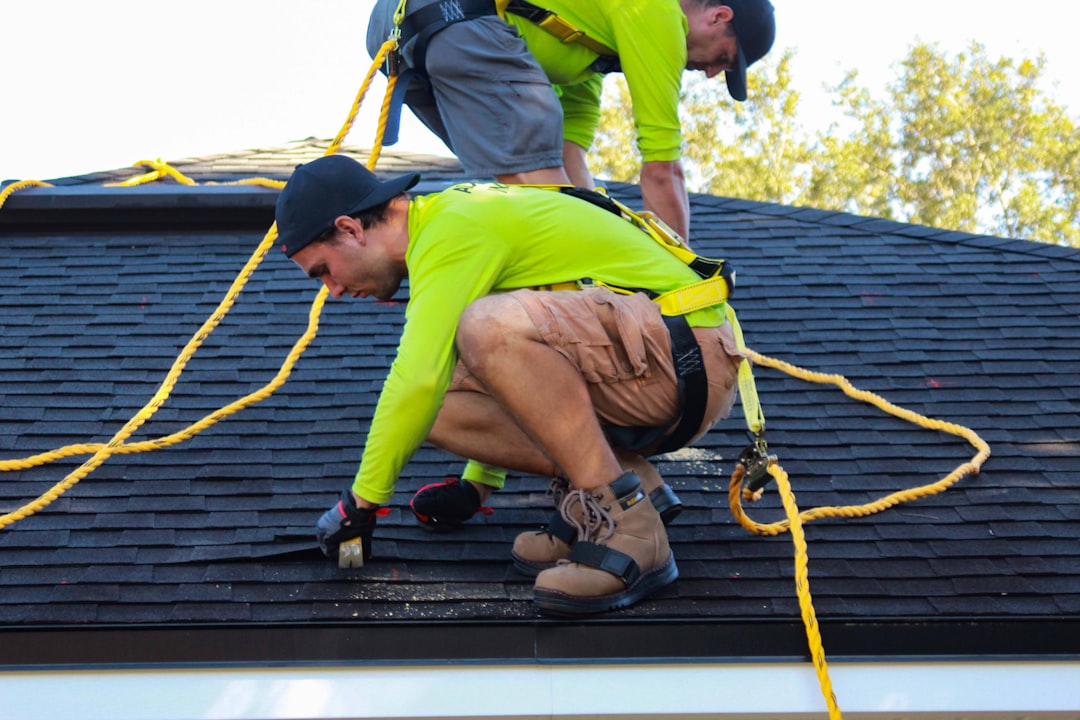
Qualified roof professionals know how to implement sustainable practices. Not all contractors have the same level of understanding regarding eco-friendly materials or energy-efficient methods. Do thorough research when choosing a contractor. Look for those specializing in sustainable solutions and who carry certifications or endorsements relevant to green-building practices. Engaging professional contractors like Whitt’s Roofing can also provide homeowners with access to expert advice and high-quality materials. A contractor understands that the nuances of sustainable roofing affect both the immediate and long-term energy efficiency. A good contractor will offer maintenance plans that align with ongoing sustainable practices.
Sustainable Roofing Materials
When integrating roof maintenance into an eco-friendly lifestyle, select sustainable materials. Metal roofs, clay tiles, and rubber shingles provide durability and energy efficiency. Sustainable materials can reduce heat absorption and contribute to a lessened need for air conditioning during hotter months.
Many sustainable roofing options are recyclable, which minimizes waste and promotes a circular economy. Choose these materials to benefit your home and support environmentally responsible manufacturing practices. When replacing or repairing your roof, examine your material choices and opt for those with a smaller environmental footprint. Sustainable materials might come with a higher upfront cost, but their longevity and efficiency can result in savings over time.
Energy Efficiency and Roofing
A well-maintained roof contributes to energy efficiency in any home. By reflecting sunlight, certain roof materials can keep homes cooler and reduce air conditioning costs. A properly insulated roof prevents heat loss in the winter and keeps temperatures regulated year-round. In this context, roof maintenance transforms into a means of conserving energy and promoting sustainable living.
Homeowners can benefit from various government rebates and incentives for energy-efficient home upgrades. These savings offset initial costs and encourage long-term, eco-friendly practices. Integrating energy efficiency into roof maintenance for both the planet and the homeowner’s finances.
Water Management Systems
Effective water management maintains a sustainable roofing system. Rainwater harvesting systems and proper drainage can prevent water damage and prolong a roof’s lifespan. Installing gutters and downspouts that efficiently direct rainwater away from the roofing and foundation protects both the home and the surrounding environment. Rainwater harvesting can be an alternative water source for irrigation and reduce dependence on municipal supplies.
Green roofs can absorb rainwater, lessening runoff and improving urban biodiversity. Homeowners who focus on effective water management protect their investments and take a step towards sustainability.
Budgeting for Roof Maintenance
Sustainable roofs need realistic budgeting to cover inspections, repairs, and potential replacements. Homeowners should aim to set aside a maintenance fund that accounts for regular upkeep and anticipates more significant expenses over time. Proactive budgeting will prevent crises so that the home remains thoroughly maintained with no financial strain.
When considering sustainable options, analyze the return on investment (ROI) of energy savings versus initial expenditures. Investing in quality materials and professional services may result in higher upfront costs, but these choices deliver significant savings and sustainability benefits in the long run. Seek financial incentives or grants for energy-efficient upgrades to further ease costs.
Roof maintenance is not merely about repair; it encompasses a holistic approach toward environmental stewardship. Through regular inspections, careful material selection, and effective practices, homeowners can reduce their footprint and contribute to a sustainable lifestyle.
When homeowners choose to focus on energy efficiency and engage qualified professionals, their roofs are functional, durable, and eco-friendly. A proactive mindset empowers homeowners to embrace sustainability and makes a lasting impact on the environment.